
When a President Attacks a Woman for Doing Her Job: Why Trump’s Outburst Says More About His Fears Than Her Reporting

There are political moments that flare brightly and fade within hours — and then there are moments that, quietly and unexpectedly, reveal something deeper about who we have become as a nation.
This latest moment began with a simple, straightforward report in The New York Times.
Katie Rogers, a respected journalist known for her meticulous reporting and fairness, published a piece documenting visible changes in former President Trump’s energy, schedule, and public presence. The article was careful, measured, and rooted in observable facts: fewer public events, shorter speeches, and the unmistakable wear of age that catches up with all of us, no matter our politics.
It should have ended there.
But less than 24 hours later, everything changed.
Trump erupted online in one of the most personal, vitriolic attacks he has launched in months — not at the facts, not at the newspaper, but at the woman who wrote the story. He mocked her appearance, dismissed the Times as “cheap,” and tried to belittle the very profession she has dedicated her life to.
But instead of discrediting the report, something unexpected happened.
He made himself the headline.
Across living rooms in America and the UK — from grandparents who remember Watergate to middle-aged voters who’ve watched political standards erode year after year — there was a familiar sigh. A tired, heavy one. Not because the country hasn’t seen politicians lash out before, but because this moment felt painfully symbolic.
It felt like a man trying to fight time — and losing.
And suddenly, the story was not about Katie Rogers at all.
It was about a former president who, faced with a factual report about his own aging, chose not honesty, not reflection, not dignity — but the oldest defense mechanism in the book: attack the messenger.
A spokesperson for The New York Times defended Rogers with quiet firmness, saying the article was based on facts and that “insults and personal attacks do not change that.”
It was a statement so calm, so controlled, that it felt like the adult in the room stepping forward while someone else yelled in the corner.
And that, perhaps, is what struck so many readers.
Because for millions of Americans aged 45–65+, this isn’t about partisanship anymore.
It’s about decency.
It’s about respect.
It’s about the belief that leadership requires a measure of character — especially when confronted with uncomfortable truths.
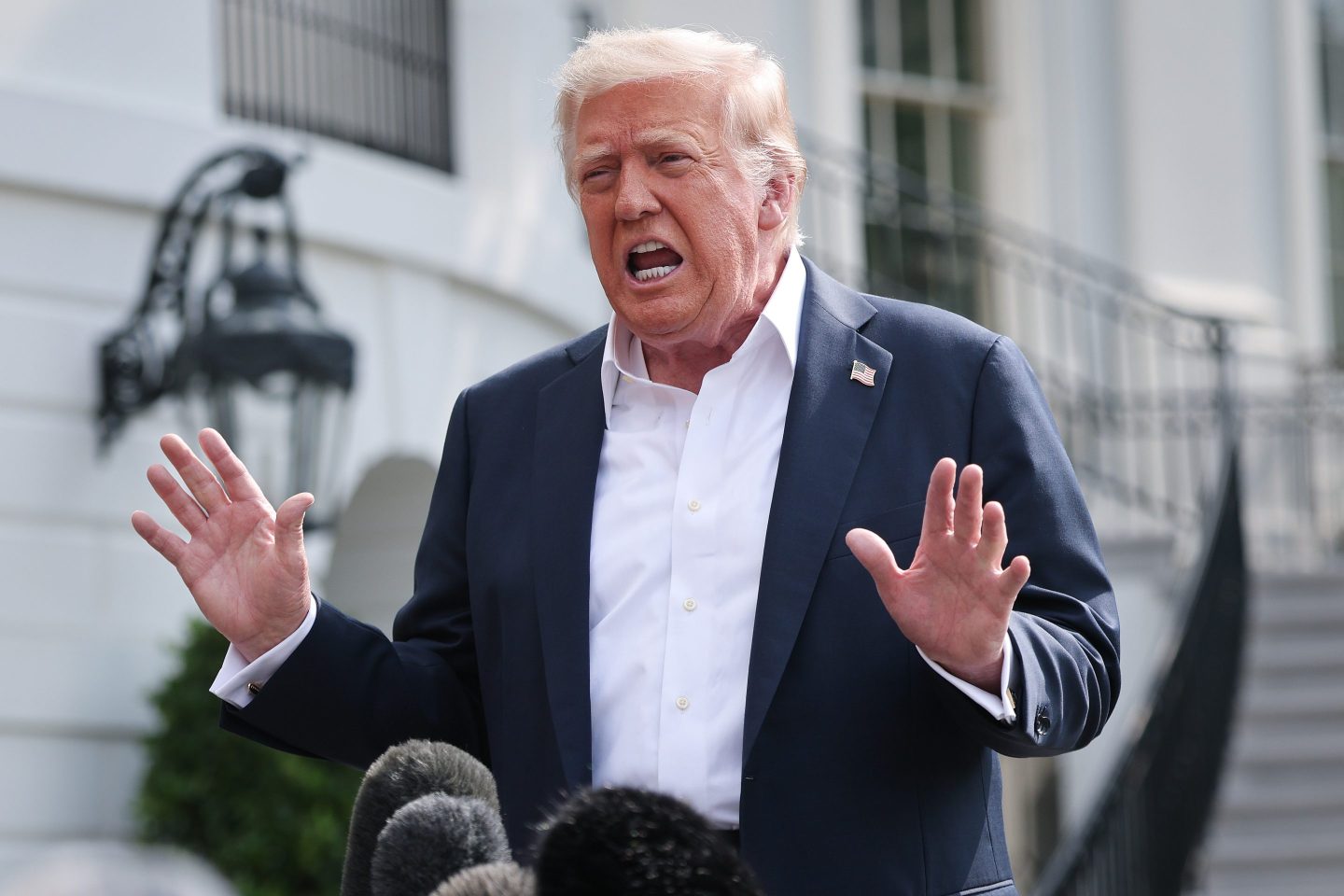
Many remember when presidents, despite all their flaws, carried themselves with a sense of responsibility. When attacking a woman’s appearance would have been unthinkable. When the dignity of the office meant you rose above personal anger, not drowned in it.
Trump’s rage did not wound Katie Rogers.
If anything, it reminded the country why journalists matter — why truth matters — and why a free press remains one of the most vital pillars of democracy.
But it did wound something else.
It wounded the image of a man who once commanded the world stage, now reduced to shouting into the void about a story that simply acknowledged what we all must face: time passes, bodies age, stamina fades. There is no shame in that. There is humanity in it.
The shame comes only when a leader refuses to face it with grace.
Katie Rogers did her job.
The New York Times stood by her.
And America — especially those who’ve lived long enough to see leaders rise and fall — saw through the noise.
In the end, Trump’s attack didn’t make her look weak.
It made him look afraid.
And that, more than any poll or headline, is the part he cannot silence.
😡 “Robbed!” — Indiana Fever’s Playoff Nightmare Ends in Chaos
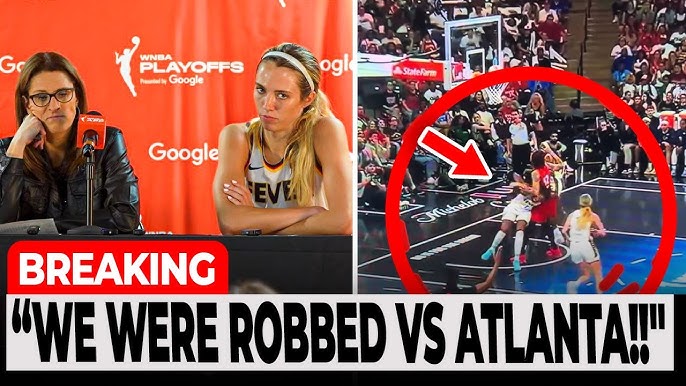
A Season of Grit, Broken in One Night
The Indiana Fever clawed their way to the postseason with nothing but heart, hustle, and bodies held together by tape. By the time the playoffs tipped off, six players were already injured — a nightmare scenario for any team, but especially for one trying to prove it belonged on the biggest stage.
Still, the Fever came out swinging against Atlanta. They moved the ball, dove for loose rebounds, and showed every ounce of fight left in them. For a moment, it looked like grit might overcome adversity.
The Whistles That Changed Everything![]()

Then the referees took over.
-
Phantom fouls on Caitlin Clark that left even opposing fans scratching their heads.
-
Missed elbows thrown in the paint that left Fever players on the floor.
-
Momentum-swinging whistles that felt less like fair calls and more like momentum killers.
Every time Indiana surged, a whistle came. Every time Atlanta looked rattled, the refs seemed to steady them. The Fever didn’t just face the Dream — they faced the officials, too.
Stephanie White Finally Snaps![]()

Head coach Stephanie White has been the picture of composure all season long. But after watching her battered roster fight tooth and nail, only to be undone by the officiating, she finally snapped.
Storming onto the sideline, White screamed what every Fever fan in the building was already yelling: “We’re getting robbed out here!”
For that honesty, she was slapped with a technical foul. The crowd erupted, some booing the refs, others cheering White’s defiance.
Fans See Sabotage![]()
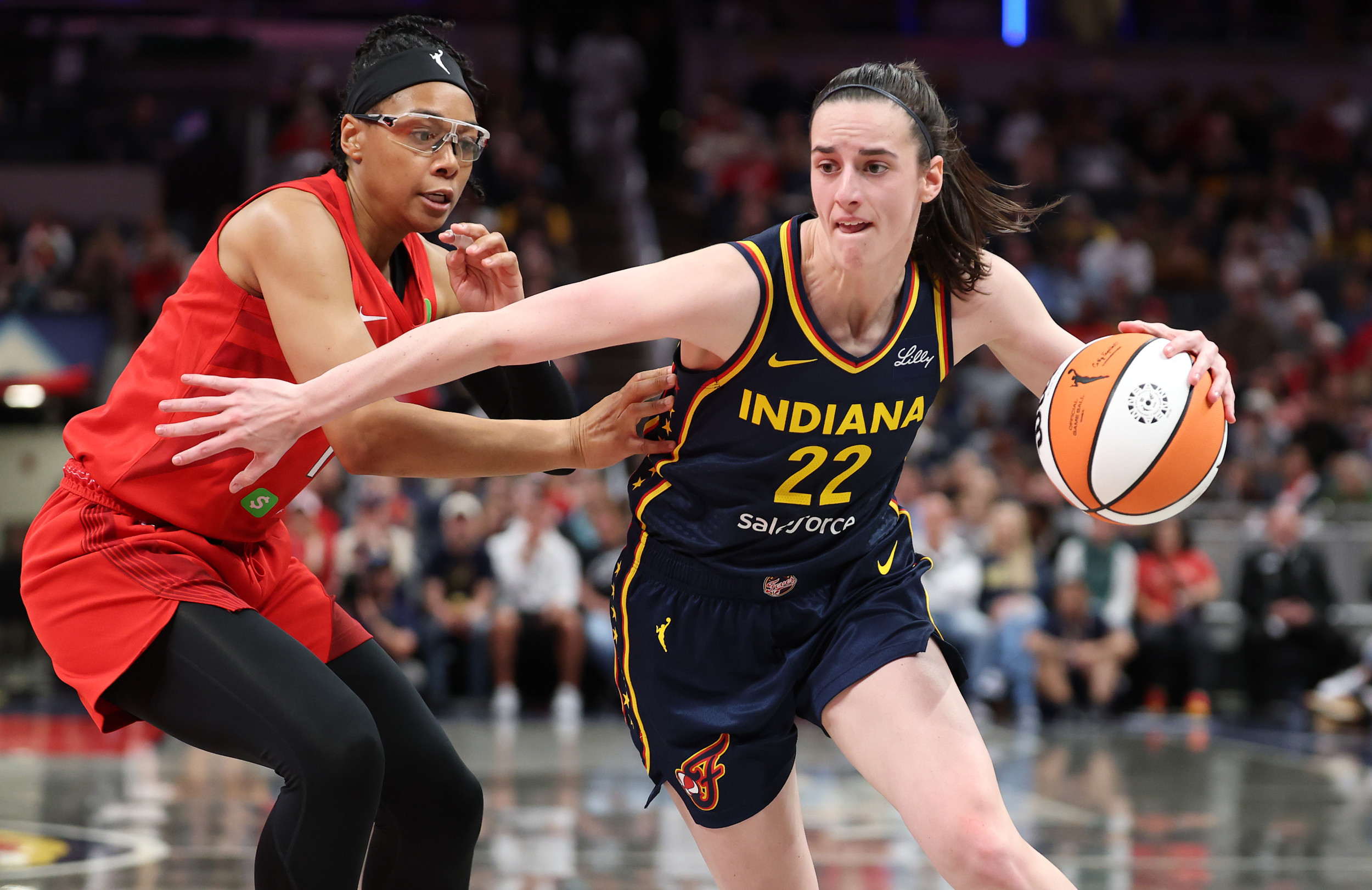
On social media, Fever Nation didn’t hold back. Hashtags like #FreeTheFever and #Rigged trended within minutes. Many accused the league of protecting its storylines, arguing that the WNBA couldn’t afford its most injury-ridden team advancing deeper into the playoffs.
One viral post read:
“Six players injured, still fighting — and then the refs finish the job. Straight-up sabotage.”
Bad Luck… or Something Darker?
Was this just the cruel twist of playoff basketball — injuries, bad calls, and heartbreak colliding in one night? Or was it something nastier — the kind of officiating that makes fans question whether the deck is stacked before the game even starts?
Either way, the message was clear: the Indiana Fever’s season didn’t end at the hands of Atlanta alone. It ended in the shadows of the whistle.

